Key Takeaways
- A tulle wreath is made by cutting tulle into uniform strips and tying them onto a wire wreath frame until fully covered
- Materials needed: a wire wreath form (12"–18"), tulle in your chosen colors, scissors, and optional ribbon or decorative picks
- Tulle width, strip length, and knot density determine how full and polished your wreath looks
- Swap colors and accents to make this wreath work year-round — Christmas, Valentine's Day, Halloween, fall, spring, and beyond
- Beginners complete a basic tulle wreath in 1–2 hours once materials are prepped
What You Need to Make a Tulle Wreath
Essential Materials
Wire Wreath Frame: Choose a round or heart-shaped wire frame in 12" to 18" diameter. The most popular size for front doors is 14 inches. Multi-row wire frames (3-wire or 4-wire designs) work best because they provide more attachment points for a fuller look.
Tulle: Purchase 6-inch-wide tulle rolls for the best results. This width is the DIY craft industry standard and creates the ideal puff height without excessive bulk. Wider tulle creates more volume per strip, while narrower tulle (1.5"–3") produces a delicate, fine texture.
For outdoor wreaths, material choice matters:
- Polyester tulle — UV-resistant and hydrophobic; won't fade in sunlight or absorb water
- Nylon tulle — Yellows and degrades under direct sun; best for indoor use only
Cutting Tools: Sharp fabric scissors or a rotary cutter speed up the strip-cutting process considerably.
Optional Add-Ons
Ribbon and Bows: Wired ribbon holds its shape best for wreath bows — it keeps the loops from drooping over time. Morex Ribbon carries colorfast ribbons in satin, wired, and sheer styles suited for wreath embellishments, with widths from 5/8" to 2¼" for bow-making and decorative accents.
Decorative Accents: Add personality with floral picks, ornaments, or seasonal signs that can be hot-glued or wired in place after the tulle base is complete.
How Much Tulle Do You Need?
Underestimating yardage is the leading cause of sparse, amateur-looking wreaths. Here's what you'll need:
| Wreath Form Size | Estimated Tulle Required | Equivalent 25-Yard Rolls |
|---|---|---|
| 12-inch | 25–33 yards | 1.5–2 rolls |
| 14-inch | 35–50 yards | 2–3 rolls |
| 18-inch | 50+ yards | 3–4+ rolls |
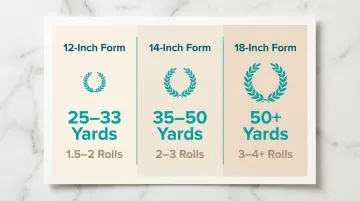
Buy one roll more than the table suggests — running short mid-project is a common frustration. For multi-color designs, plan your strip ratios in advance: a 2:1 ratio of one color to another creates a clear dominant/accent combination.
How to Make a Tulle Wreath: Step-by-Step Instructions
Step 1: Prepare Your Tulle Strips
Cut tulle into uniform strips before you start tying. The most common strip length is 10–12 inches for a 14-inch form, which results in strips that hang about 5–6 inches on each side when tied.
Time-Saving Cutting Hack: Fold tulle over multiple times and cut all at once. Or use a cardboard template: wrap tulle repeatedly around a 6x9 inch piece of cardboard, then cut along one edge. This instantly yields uniform 12-inch strips.
Strip length directly controls how fluffy and thick the finished wreath will be. Longer strips (15–20 inches) create a looser, wider diameter with more dramatic volume.
Step 2: Attach the First Tulle Strip
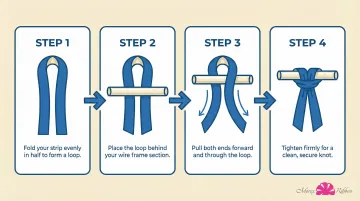
Use the lark's head knot (also called a loop knot or cow hitch):
- Fold the strip in half
- Loop it behind a wire section of the frame
- Pull the two ends through the loop
- Tighten snugly
This knot holds strips firmly and prevents them from shifting on the frame. Make sure the strip isn't twisted and both hanging ends are roughly equal in length.
Step 3: Continue Tying Strips Around the Frame
Work your way around the wreath form, tying strips on each wire section. Start on the innermost ring and work outward if using a multi-row frame — this layering technique builds structural volume and completely hides the metal base.
Pack strips close together, almost touching. The wire form should not be visible anywhere on the finished wreath. How you sequence colors also shapes the final look:
- Alternating colors as you go creates an evenly blended result
- Grouping colors in sections creates a banded or ombré effect
Step 4: Check Fullness and Fill Gaps
Hold the wreath up and rotate it to spot thin or uneven areas. Gaps are easy to fix by adding extra strips before finishing. This step is often skipped by beginners and is the most common cause of uneven wreaths.
As you go, fluff and spread the strips outward rather than leaving them hanging straight down — this builds volume without requiring extra material.
Step 5: Add Decorative Accents
Attach a bow, ribbon loop, or seasonal pick at the top-center or bottom-center of the wreath. A wired ribbon bow is the most popular finishing accent and ties directly onto the wire frame. Wired ribbon — such as Morex Ribbon's wired styles — maintains its shape through handling and seasonal display without needing to be reshaped.
Embellishments like floral sprays, holiday ornaments, or a wreath sign can be hot-glued or wired in place after the tulle base is complete.
Step 6: Attach a Hanger and Display
Create a simple hanger using a loop of ribbon, twine, or a pre-made wreath hanger threaded through the top of the wire frame. Center the hanging point carefully — it affects how the wreath sits on the door. For front doors, a wreath hook prevents damage to the door finish and keeps the whole thing secure.
Key Variables That Affect Your Finished Tulle Wreath
Even with the same basic technique, the finished wreath can look dramatically different depending on a few controllable variables. Knowing what to adjust helps you get the result you're actually going for.
Tulle Width and Volume
Narrower tulle (1.5"–3") creates a more delicate, fine texture, while wider tulle (6") creates bold, fluffy volume. For most decorative wreaths, 6-inch-wide tulle is the standard recommendation.
Colorfast, uniform-weave tulle holds its shape and color better over time — especially for wreaths displayed outdoors or in direct light. Polyester tulle retains vibrant dyes well, while nylon requires more careful handling to prevent fading.
Strip Length and Wreath Form Size
Longer strips on a smaller form create a bushy, oversized look, while shorter strips on a large form can appear sparse.
Strip length should equal roughly 1.5–2x the desired puff height. For a 5-inch puff extending from the wire frame, cut strips 10–12 inches long.
Color Combination and Strip Ratio
The ratio of colors affects the visual outcome significantly:
- 2:1 ratio of one color to another reads as a dominant/accent combination
- Equal ratios look blended
- Grouped sections create banded or ombré effects
Plan your color layout before you start, especially for multi-color designs. Laying out color groups or sketching a quick pattern saves a lot of backtracking once you're mid-wreath.
Knot Density (How Tightly Strips Are Packed)
Knot density is the single biggest variable affecting fullness. Strips tied loosely with gaps between them produce a thin, flat wreath. Strips packed tightly produce a round, dimensional result.
Pack strips tightly — it's easier to remove a few than to add more once the form is full. Continuously push and "squish" tied strips together along the wire to close any gaps as you go.
Tulle Wreath Variations for Any Season or Occasion
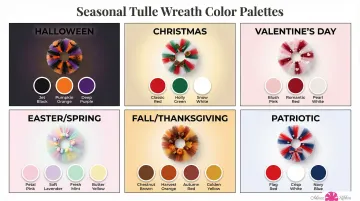
The base technique is completely universal. The same wire form and lark's head knot method works for every season — only the tulle colors, accent pieces, and decorative signs change.
Seasonal Color Guide
- Halloween: Black, orange, and purple
- Christmas: Red, green, and white
- Valentine's Day: Pink, red, and white
- Easter/Spring: Pastels (light pink, lavender, mint, yellow)
- Fall/Thanksgiving: Warm earth tones (brown, orange, red, yellow)
- Patriotic (4th of July): Red, white, and blue
Shape Variations
Beyond the standard round wreath, try these novelty wire forms:
- Heart-shaped frames for Valentine's Day or baby showers
- Star shapes for patriotic themes
- Cross or cross-shaped frames for Easter and religious occasions
- Letter or monogram frames for personalized front-door décor
Texture Layering
Mix tulle with other ribbon types for added texture and visual interest:
- Sheer organza adds delicate shimmer
- Satin ribbon provides smooth contrast
- Glitter tulle creates sparkle
- Wired ribbon holds structured bows
Morex Ribbon carries glitter tulle, wired ribbon, sheer organza, and satin ribbon in seasonal colorways — all available in multiple widths to match whatever wreath project you have in mind.
Common Mistakes to Avoid When Making a Tulle Wreath
- Inconsistent strip lengths create a ragged silhouette instead of a smooth, rounded shape. Cut in bulk using a ruler or cardboard template to keep every strip uniform.
- Loose packing is the most common beginner mistake. Too much space between knots leaves the wire form visible and the wreath looking flat. Fill any gaps before finishing.
- No color plan for multi-color designs leads to clumped or uneven distribution. Lay out your color groups or sketch a simple pattern before you start tying.
Frequently Asked Questions
How much tulle do I need to make a wreath?
A 14-inch form typically uses 35–50 yards depending on strip width and fullness desired. Buy slightly more than estimated to avoid running short mid-project.
What size wreath form works best for a tulle wreath?
12-inch to 18-inch wire forms are the most popular sizes, with 14 inches being the standard for front-door display. Larger forms require significantly more tulle and take longer to complete.
Can I make a tulle wreath without a wire frame?
Pool noodle or foam ring alternatives exist, but wire forms produce the fullest, most evenly shaped results. Multi-row wire frames offer the most secure attachment points and are the best starting point for beginners.
How do I make my tulle wreath look fuller?
Pack strips closer together, use wider tulle (6-inch), cut strips slightly longer (15–20 inches instead of 10–12 inches), and fluff individual strips outward as you work rather than leaving them hanging straight down.
What type of tulle is best for a wreath?
Standard 6-inch-wide nylon or polyester tulle rolls work well for their volume and ease of use. For outdoor wreaths, choose colorfast polyester tulle — it resists fading over time.
How do I store a tulle wreath between seasons?
Store in a large round wreath box or hang it in a closet — never stack it in a standard bin. Tulle flattens under pressure but can be re-fluffed if stored upright in a climate-controlled space.